

Designer Stefan Lindfors: “The showroom’s mission is to deliver an explosive brand experience
Stefan Lindfors, one of Finland’s most renowned designers, found the showroom of his dreams in the heart of Helsinki for his new design brand. What were the most important factors for Lindfors when choosing showroom premises – and what does he think of the role of design in the planning of commercial or office spaces?
Stefan Lindfors had a problem. After a long international career, the interior architect and sculptor had successfully launched his design brand’s first prototypes during Milan Design Week 2025 and the brand now needed new showroom facilities. However, suitable premises were hard to come by.
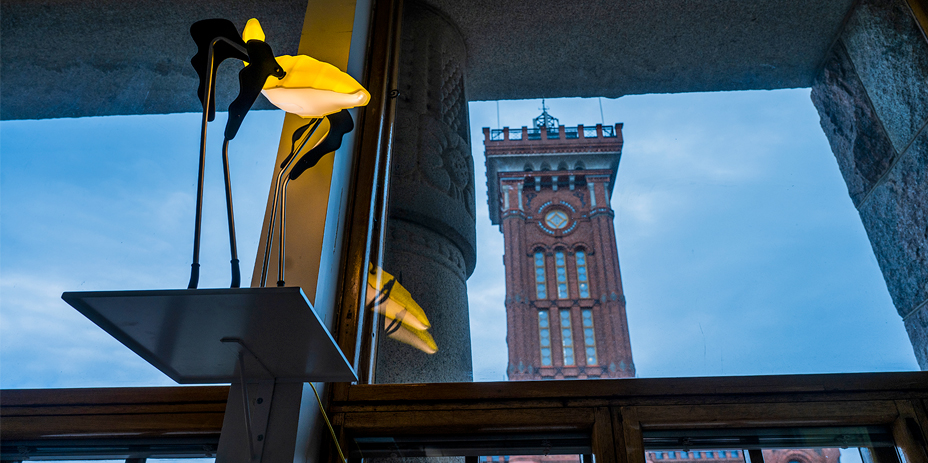
The designer was looking for premises in the heart of Helsinki, which would support the image of a high-end brand and provide a striking brand experience for international customers.
A showroom is a journey where every detail matters.
“The importance of space in presenting the brand is immense. Even if you are the best designer in the world, it is not enough if the products are not displayed in the right environment and the brand does not evoke the right feeling,” Lindfors emphasises.
Perfect space in the heart of the city
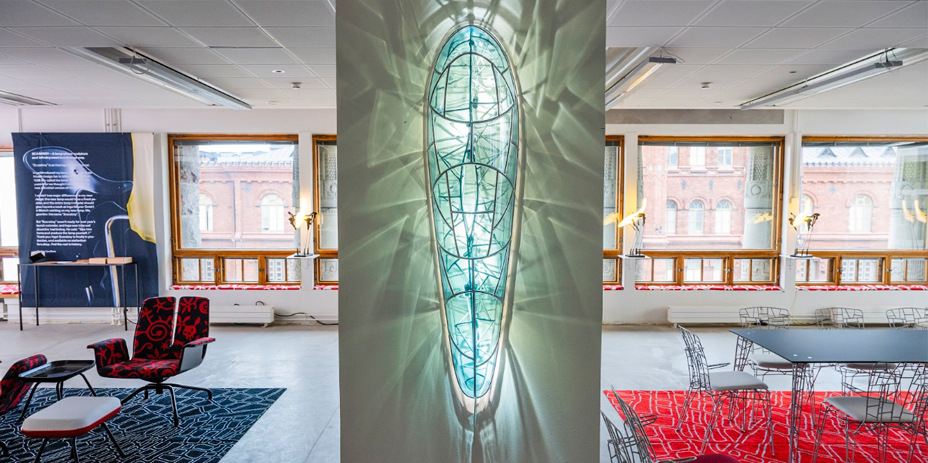
Lindfors had already visited several premises, but many of them would have required large and expensive alterations. And nothing seemed to fully meet the brand’s needs in terms of atmosphere. Until Harri Autio, Sponda’s Director for Leasing, took Lindfors to see the approximately 240 square metre showroom at Korkeavuorenkatu 35.
“I immediately knew this was it. The exterior of the castle-like building was already incredibly magnificent, but the interiors swept me off my feet. The space, with its cast concrete floors and its views, was absolutely amazing. I immediately saw how perfectly my products would fit into the environment,” explains the designer.
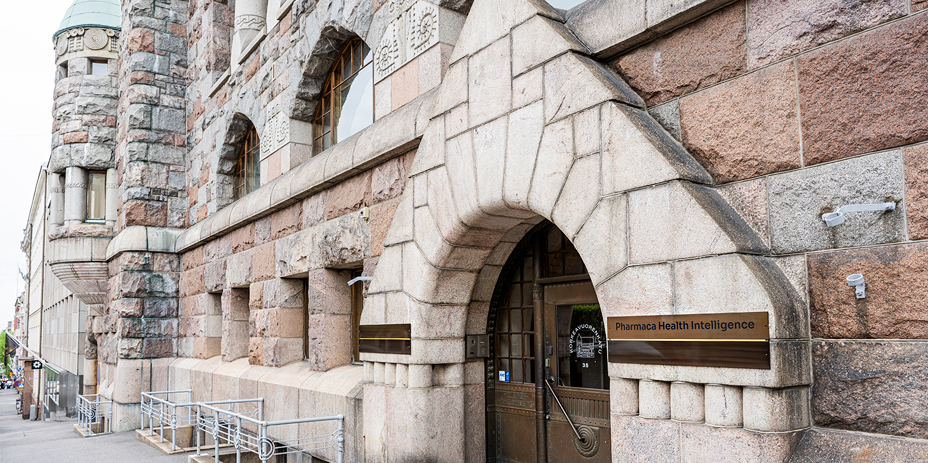
The property also had an optimal location in the heart of Helsinki, a few minutes’ walk from Esplanade Park and high-profile shopping streets. Both the surroundings and the premises created the perfect platform for building a brand experience, according to Lindfors.
Everything in the space supports the brand – architecture, atmosphere and views.
Lindfors describes the showroom as a journey where every detail matters.
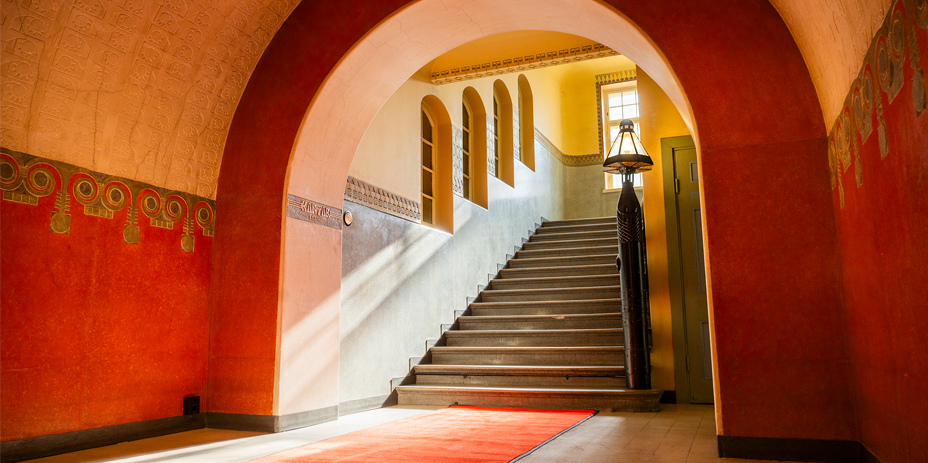
“Here, the experience begins even before you arrive at the showroom. You see the story-book building, enter the magnificent stairwell, and watch the views gradually unfold. If visitors prefer to take the lift, they can access the exhibition space directly and privately.”
Space symbolises the timelessness of products
For Lindfors, it was not the building’s architectural style or era that was essential, but the feelings that the its design language evoked.
“The main thing is authenticity and timelessness! I make products that are not tied to changing decades or trends. My own brand must stand the test of time in the same way as this building”, Lindfors compares.
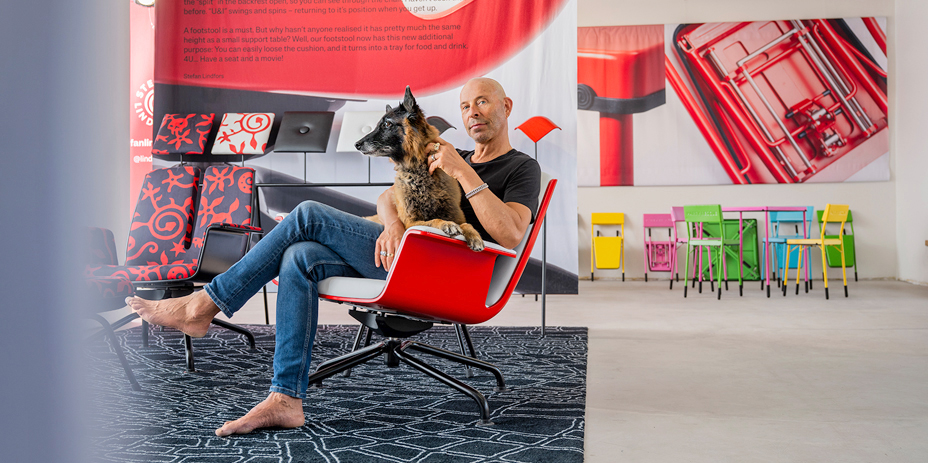
The discovery of the space set the stage for the brand’s ambitious growth plans. The showroom opening was scheduled two months ahead, and the next expansion phase of the brand’s product portfolio was planned for the following autumn.
“We wanted to launch it on a grand scale. Everything and every detail in the premises was carefully considered. The showroom was planned to be a statement — prestigious and carefully designed; we didn’t want it give off any pop-up vibes,” Lindfors describes.

Milieu brings the brand and products to life
In Lindfors’ opinion, then, what role does the showroom play in brand building and sales promotion in general?
The designer starts by comparing the showroom with an art gallery. He suggests imagining a sculpture first in a dusty workshop in the middle of clutter – and then the same sculpture in a white gallery with perfect lighting. The same work, but a completely different experience.
“The environment helps people see the product as it is meant to be seen. If we are building a high-end brand, the presentation must reflect that across the board, from the showroom location to the packaging,” he emphasises.
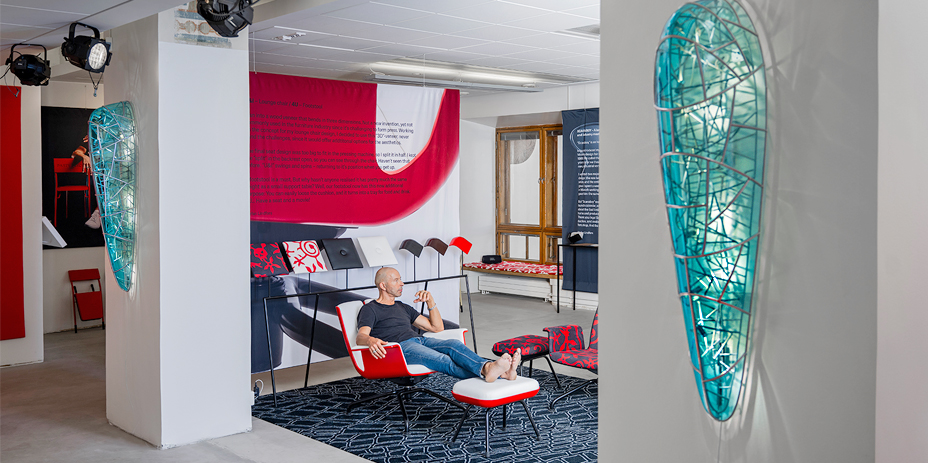
While commerce is increasingly moving online, Lindfors believes that the role of physical spaces is in contrast growing in the design industry.
“It doesn’t matter how much business is done online or on social media. When it comes to concrete design objects, people need to be able to see, touch and sense them.”
Design can’t be experienced online – it’s bought through touch, the senses and emotions.
According to the designer, the physical shopping experience is especially important for large customers, such as hotel chains, interior architects and international buyers.
“If someone is thinking about buying a luminaire for a large hotel chain, they will want to see it, feel the materials, look at the proportions and test how the light behaves. The impression made by objects multiplies as their number increases.”
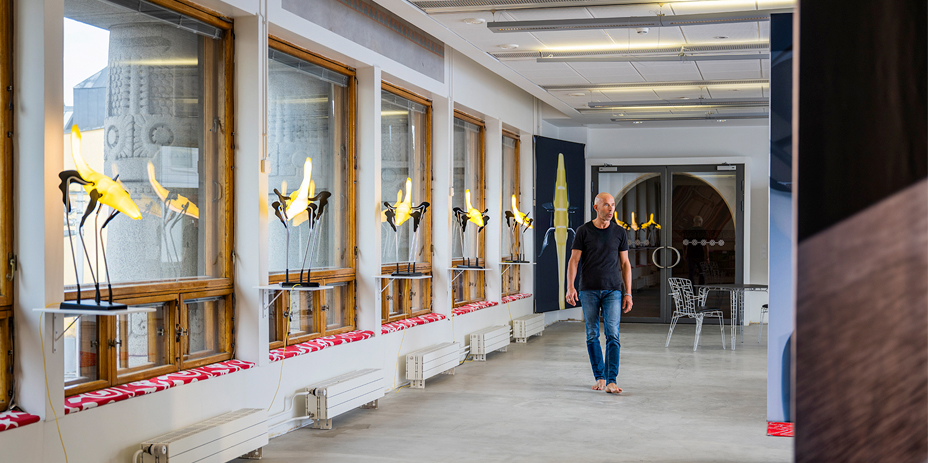
According to the interior architect, companies often underestimate how strongly the physical environment affects people’s emotions and purchasing decisions.
“First, you should consider the mood a person is put into before they see a product or service. You must not focus too much on the product. Price is a secondary matter if a person falls in love with the feeling generated by a brand or product,” he points out.
Price is a side issue if a person falls in love with the feeling generated by a brand or product.
According to Lindfors, the same applies to stores, offices and showrooms.
“Big business customers are people too. They sense spaces the same way everyone else does. How a place feels inevitably influences the image of the brand and the individual product.”
More sense of style and smarts than money
The designer believes that well-designed showrooms or facilities can help companies stand out from the competition. According to him, much more should be invested in the experiential quality of spaces – which does not mean that the budget should be unlimited.
He emphasises that successful premises require most of all good design. A good idea can be much more valuable than an expensive material. Lindfors therefore encourages companies to make use of professionals in design.
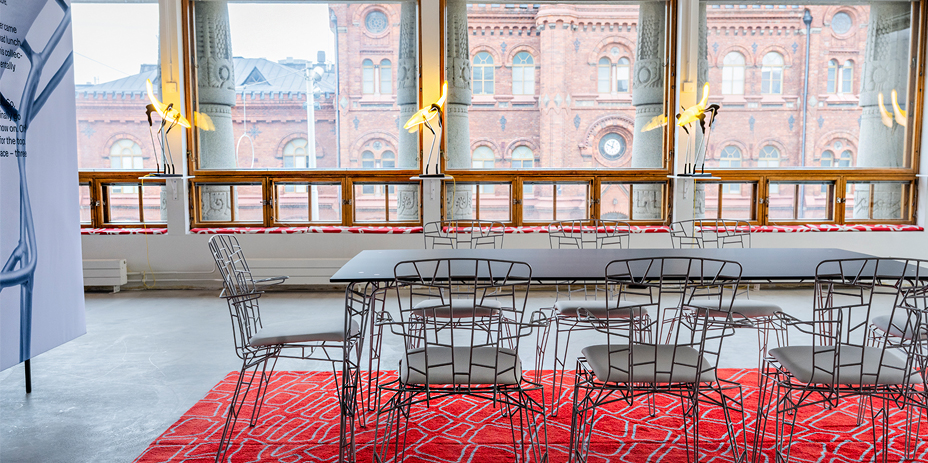
What can be seen from the window makes up half of the interior design.
“Functionality and ergonomics are fundamental matters. But in addition to them, you need to think about the atmosphere, experience and the message the space conveys. The whole package matters far more than a single piece of designer furniture.”
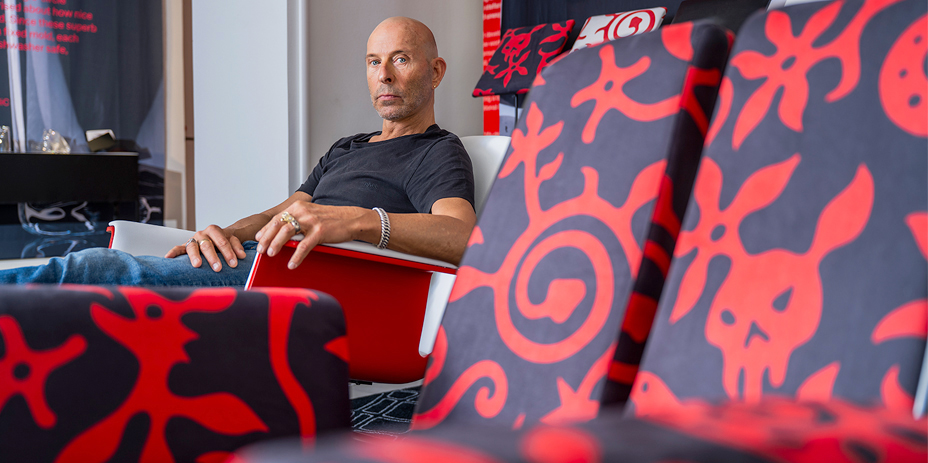
According to Lindfors, the best spaces are memorable in the same way as the best products.
“A well-designed space affects mood. It makes people feel comfortable, inspired and remember the experience and emotional impact long after they have left the space. And, of course, it makes them buy that product,” he grins.